Delays in Justice:
Health Implications of Competency Waitlists for People with Disabilities in the Criminal Legal System

Project Overview
The Denver-based competency waitlist project investigates how aging adults and people with serious mental illness (SMI) or intellectual and developmental disabilities (IDD) are affected by prolonged incarceration while awaiting evaluations of their ability to stand trial, a process that can be especially harmful for individuals with progressive conditions like dementia or lifelong disabilities for whom “restoration” is often unattainable. Using in-depth interviews with individuals on competency, caregivers, and healthcare providers, the study documents lived experiences of how incarceration exacerbates health issues, accelerates cognitive decline, and disrupts essential support systems. Complementing this qualitative work, administrative data from the Denver Sheriff Department are analyzed to quantify the scope of the crisis, including the number of individuals entering the competency process, the length of time they remain on waitlists, and the outcomes they face, alongside patterns related to diagnoses, incarceration histories, and case trajectories. A policy and systems review maps the broader landscape of local and state policies, jail and hospital procedures, and competency restoration programs to identify structural drivers of delays and barriers to appropriate care. Together, these interconnected research components create a comprehensive picture of a crisis disproportionately affecting vulnerable populations and are designed to inform community partners, policymakers, and advocacy groups as they work to reduce unnecessary incarceration and promote health-focused, humane, and effective reforms.
Project Highlights
McCauley, E., Cullins, Z., & LeMasters, K. (2025). A legal quagmire: the need for a public health approach to the competency crisis. Health & Justice, 13(1), 65.
Principal Investigator:
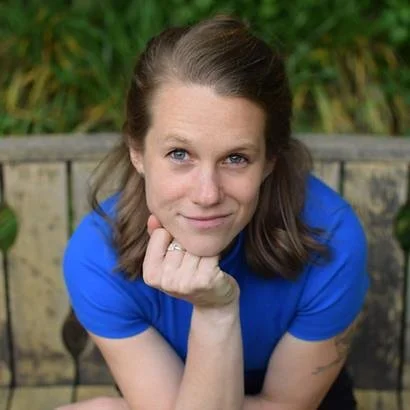
Dr. LeMasters
Staff:
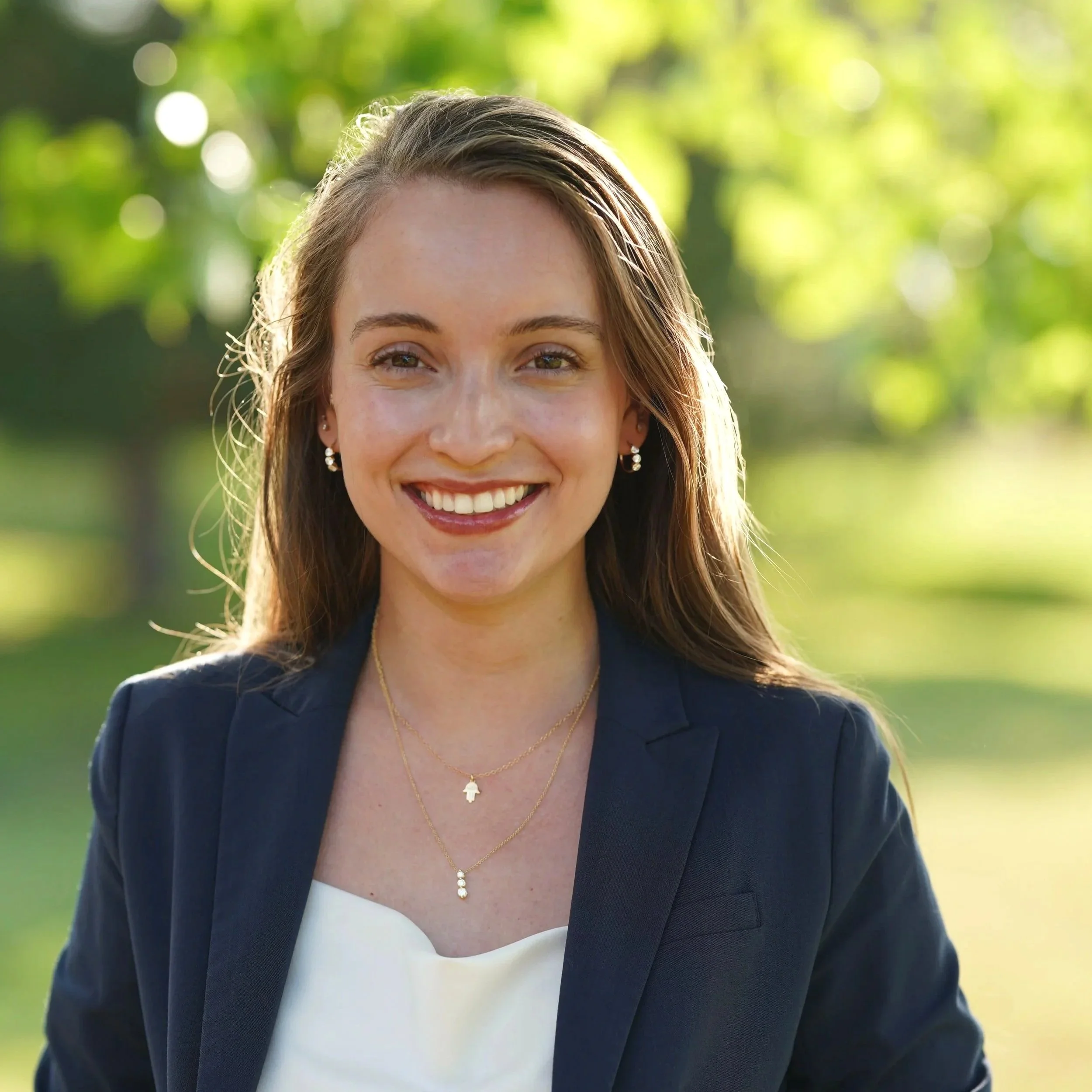
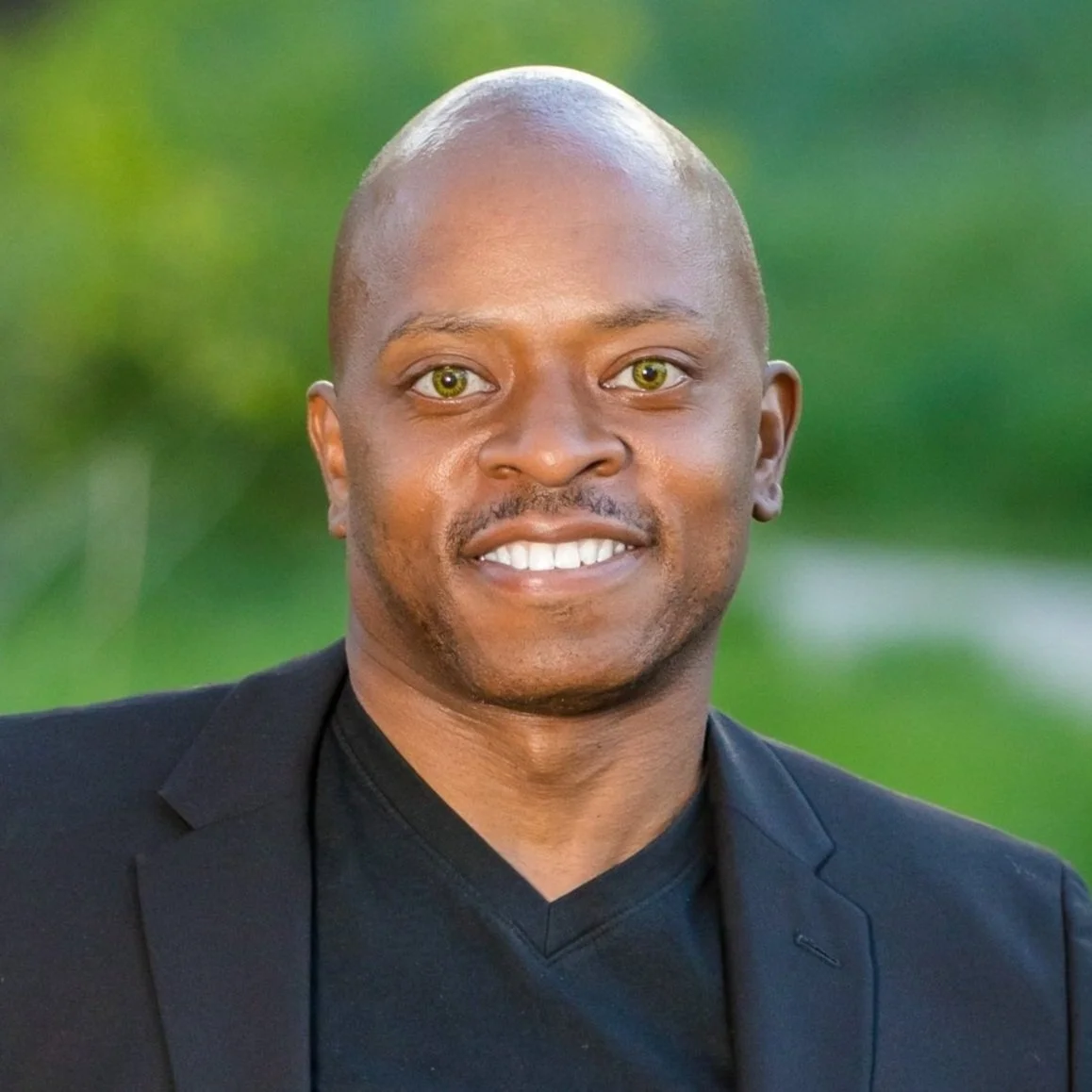
Ally Macht
Michael Clifton
Collaborator:

Dr. McCauley
Zaire Cullins
Espi Padilla

Trainees: